
Choosing the wrong air compressor wastes money and leaves you either over-compressed or under-powered. Reciprocating and rotary screw compressors are the two dominant technologies — each with distinct advantages for different operating profiles.
Reciprocating Compressors
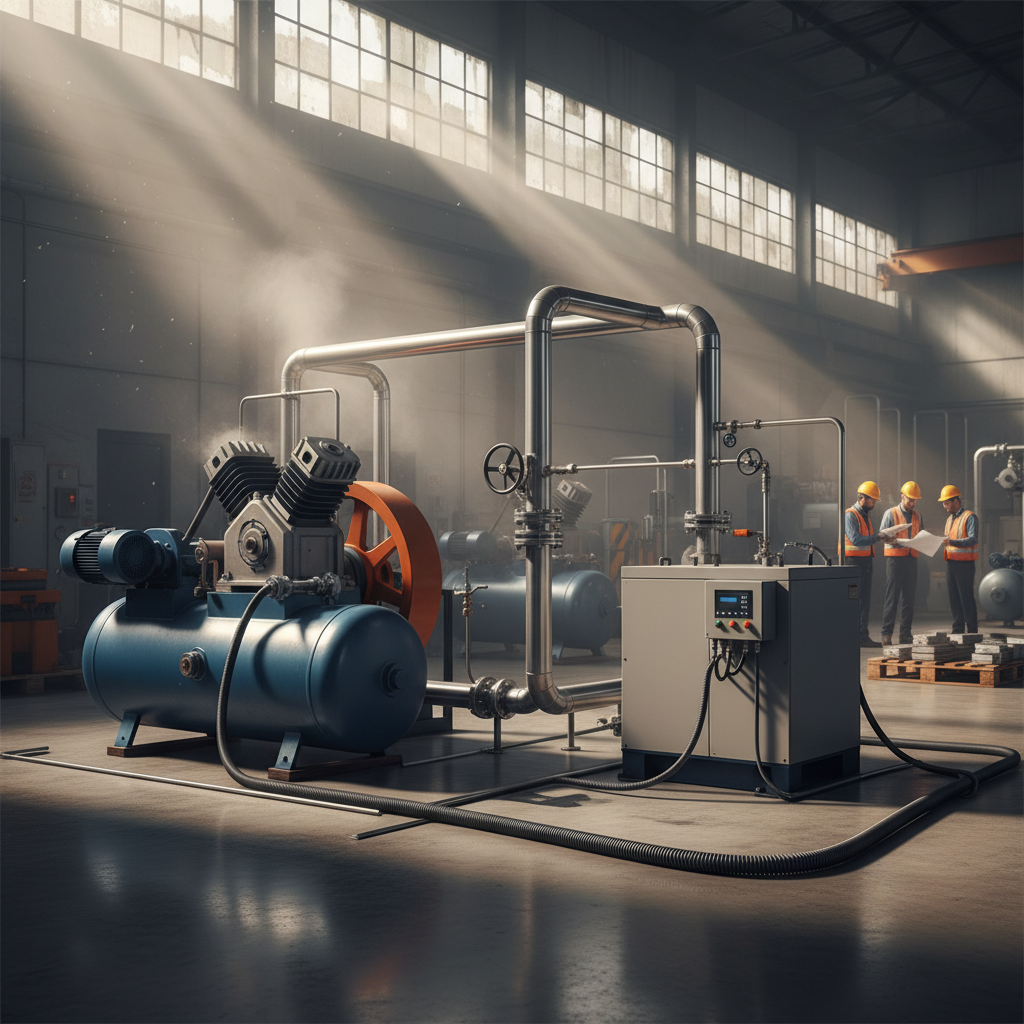
Reciprocating (piston) compressors use cylinders and pistons, similar to an engine. They're less expensive to purchase, simpler to maintain, and tolerate intermittent use well. A piston compressor running 30-50% duty cycle delivers excellent value. They're the standard choice for smaller shops and intermittent-duty applications. The tradeoff is noise — piston compressors are louder — and oil carryover risk with less refined filtration.
Rotary Screw Compressors
Rotary screw compressors use two meshing helical rotors to compress air continuously. This produces oil-free or oil-flooded air with no pulsing, lower noise, and dramatically better efficiency at continuous-duty operation. If your shop runs air tools more than 50-60% of the workday, a rotary screw compressor costs less to operate over its lifetime despite higher purchase price. Oil-flooded models require regular oil and filter changes but run reliably for decades.
The Duty Cycle Calculation
Calculate your actual CFM demand across a typical workday. If you're running air tools intermittently — nail guns, impact wrenches, blowguns — a 50-60 gallon piston compressor handles it. If you have dedicated workstations running continuously — blasting, spray painting, continuous pneumatic conveying — spec a rotary screw to avoid the energy penalty of cycling.