
Using expired or moisture-contaminated welding consumables produces porous, weak welds that fail in service. Yet many shops store electrodes and wire carelessly, leading to weld defects that are expensive to repair and potentially dangerous.
Sticking Electrodes (SMAW)
Low-hydrogen electrodes (E7018, E8018, E9018) are the most sensitive to moisture. They absorb hydrogen from the air, which causes porosity and cracking in the weld metal. Store low-hydrogen electrodes in a rod oven at 250-350°F at all times when not in use. Once opened from a sealed container, electrodes should be re-baked within 8-12 hours. E6010 and E7018 rods are more forgiving but still benefit from dry storage.
Flux-Cored Wire (FCAW)
Self-shielded FCAW wire (E71T-11, E71T-8) is particularly sensitive to moisture — the flux core absorbs moisture that creates porosity. Store in sealed plastic bags with desiccant. Gas-shielded wire (E71T-1, E71T-5) is more tolerant but still benefits from dry storage. Pull any wire that has been left out overnight through the liner before welding.
MIG Solid Wire and TIG Rods
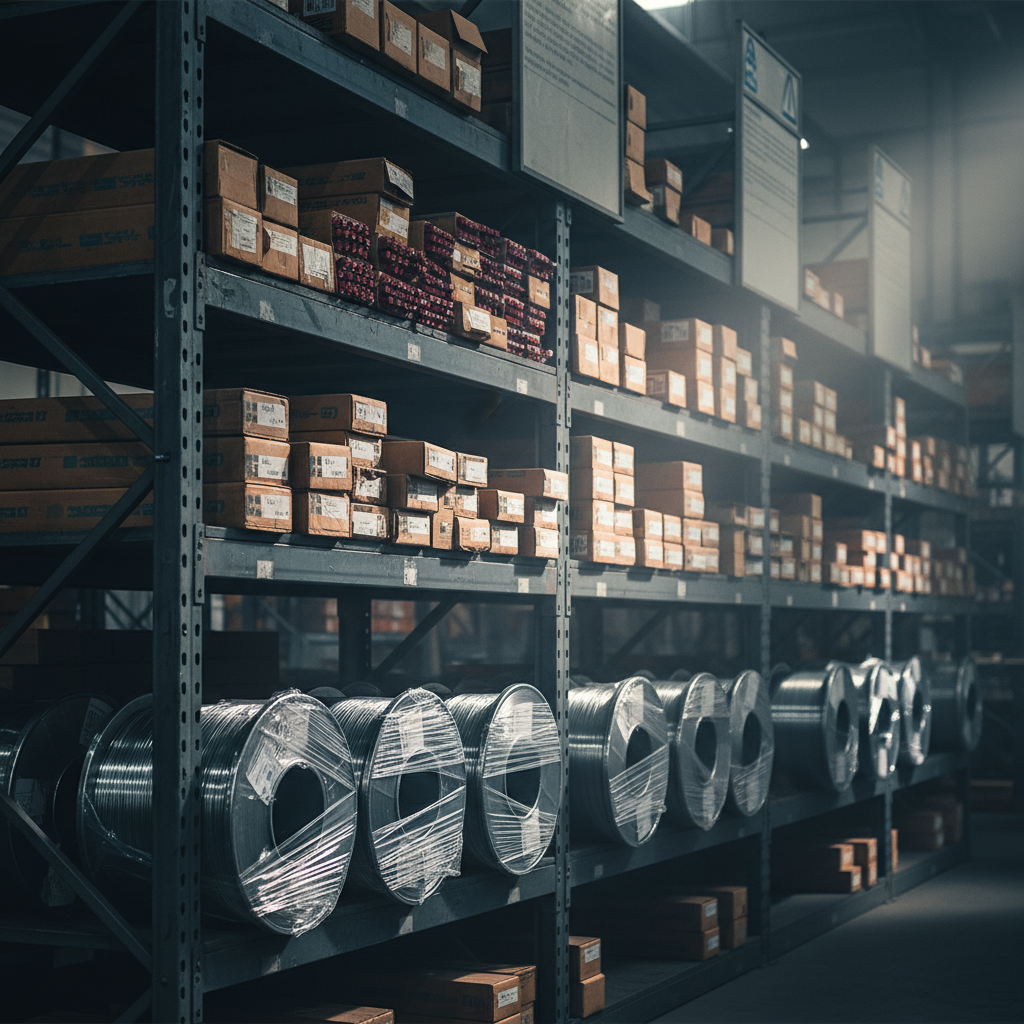
Solid MIG wire is less susceptible to moisture but should still be kept sealed to prevent dust and oil contamination. Spools with torn wrapper or exposed wire should be used first before sealed spools. TIG rods should be stored in their original sealed tubes and opened only when needed. Contaminated filler rods produce inclusions in the weld.